

Monthly Dhamma Letters
Browse our library of past Dhamma Letter articles by Michael Bresnan.
Watching the Sense Doors, but Staying Home
Our insight practice is not about shutting out the things that bother us, but learning how to engage with them in a different way – without suffering.
Playful Practice
For meditation practice to be sustainable and fruitful, one must bring the proper degree of effort to one’s practice. However, there is a difference between effort and effortfulness.

Practice Permeating Daily Life
When we come together to practice in the meditation hall, or when we do our daily practice at home for the time we allot for ourselves, we approach and can sometimes touch something that seems quite different from the experience of our minds during daily life. How is it possible to even have this awareness when I am caught up in my daily life, and how does it help me deal with the problems I face when I go about my day?

The Light of Awareness
The true and original nature of the mind is clear, calm, and illuminated. But greed, anger and delusion arise and cover over this clear self-awareness.

Externalize It
As a psychologist, one of the forms of therapy that I’ve found very interesting, and surprisingly effective, is narrative therapy, in which one helps the client discover alternative inner-narratives that may be more functional and richer in meaning. This is also what we do in Buddhist practice, particularly insight meditation.
Not Following Contact
We’re instructed to observe mental phenomena without judgment and without following any specific thought no matter how compelling. In this way, we strengthen different muscles in the mind so that long-held mental habits that cause suffering in daily life can be shifted.
Mind, Body & World Liberate Together
This life of ours consists in this mind, body, and world. In everyday consciousness, we tend to view these as separate things. But ultimately, they are really of one nature.
Letting Go
Spiritual teachers often speak of the need to let go of things. We are told we need to let go of material things, of desires, of attachments, of anger, and even of the desire to become enlightened. While there is certainly truth in this, we will do much better if we allow our own self-awareness to teach us about letting go.
All Things Come from Body & Mind
In our practice we turn our attention toward our body and mind. But, when there are so many problems in the world out there, how can I have time to just sit and look at my own body and mind?

The New Year: Kamma & Intentions
We view the New Year as a symbolic fresh start for our life – an opportunity to reboot. We celebrate newness once a year, but really we should actualize it in each moment as best we can.

Three Types of Calmness
In this tradition of practice, we often hear teachers warning us to not attach to calmness. It may be useful to look deeper into what one means by the term “calmness,” and consider what sort of calmness are we really looking for in our lives.

Seeing Nature
Many insight meditation teachers in the Thai Forest tradition, including those in Luangpor Teean’s lineage, often say that to observe one’s own body and mind, is to observe nature. This is an expression of right view, both in terms of how things actually are, and how we ought to engage with our practice.
Movement of Body and Mind
In the practice of Mahasati meditation, we are urged to be aware of movement – movement of the body and movement of the mind. We start with this hand movement, but Luangpor Teean said that we should know every movement of the body and mind – even the beating of the heart. This is a very direct path to awakening.
Two Types of Knowing
Our practice is all about developing mindfulness, or nonjudgmental awareness/knowing. To free oneself from suffering, there are actually two types of knowing or awareness that should be cultivated.
The Two Arrows of Suffering
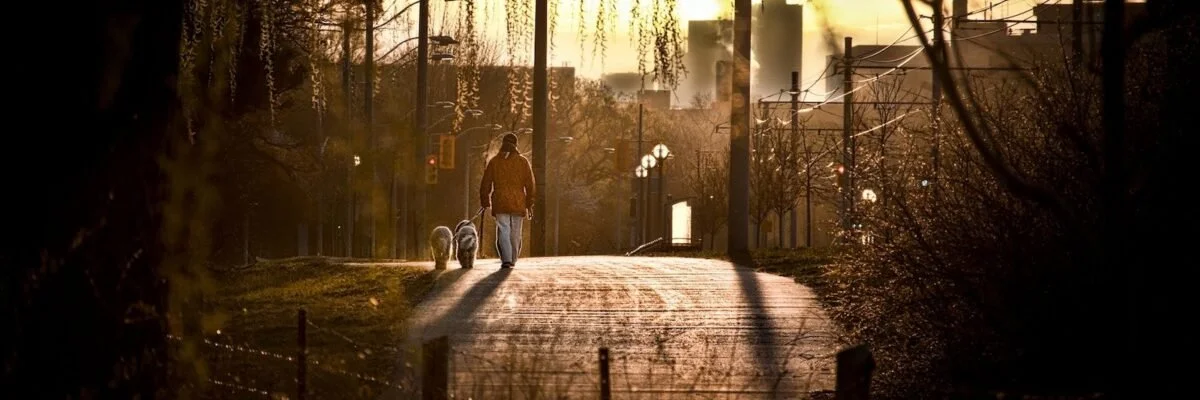
A very helpful teaching of the Buddha found in the Pali Canon (Sallatha Sutta) is the simile of the 2 arrows of suffering. The first arrow is the primary difficulty that we’ve encountered. The second arrow is the mental suffering that the mind places on top of it.
The Three-Legged Stool of Suffering
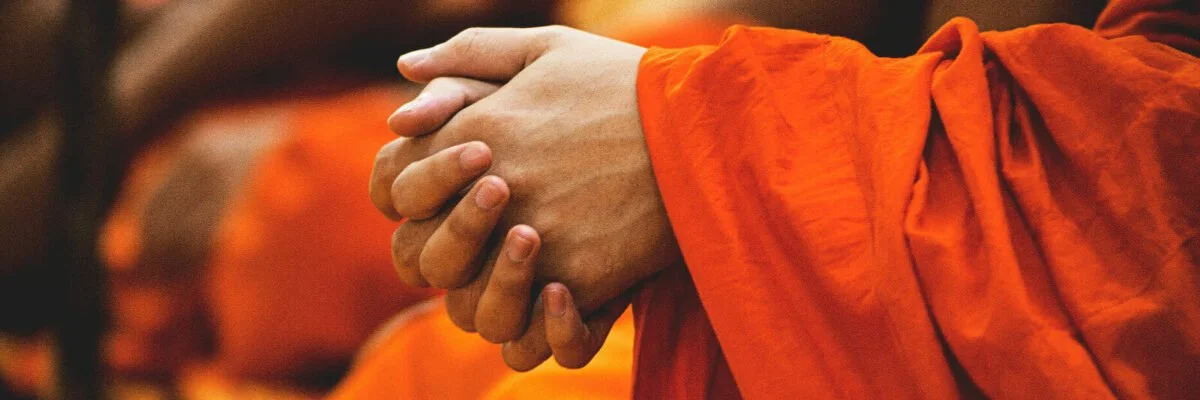
The understanding and conquering of suffering is really the loftiest goal there is. To learn how to pass through this life, in an engaged and compassionate way, and then pass out of it, without mental suffering, is more important than any other discovery one could ever possibly make.
Wandering Mind as Teacher
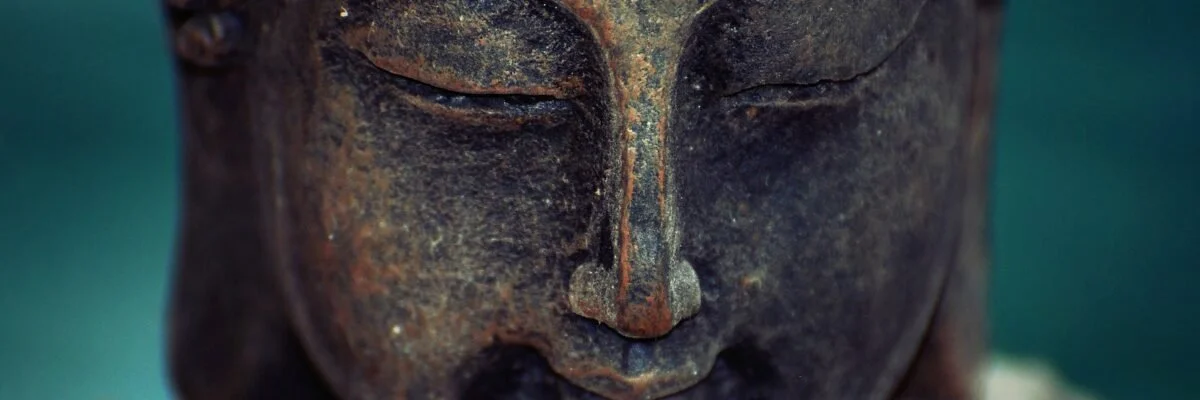
Our awareness has been overly conditioned to always be somewhere else – immersed in thoughts, worries, regrets, longings, and anticipations about the past or future. So, our practice is to train the mind to gradually overcome this conditioning.
True Freedom
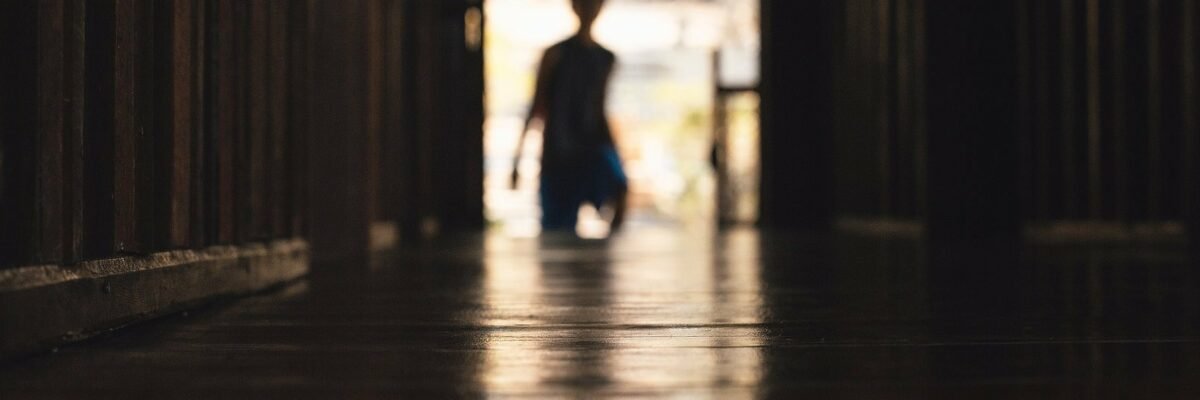
True freedom is freedom that is not dependent on silencing the mind. True freedom is the ability to have a sense of inner happiness in the face of whatever the mind may be doing.
Don’t Scratch that Mental Itch
When we have an itch from a mosquito bite, scratching that bite is like the old familiar habit of mind. Usually, we find ourselves scratching without ever having consciously made the decision to do so.
The Body as a Counterweight to Thought
How does consciousness come to be dominated by clinging, anger, grief, fear, and anxiety, and how does it come to be free of these states – to be happy and peaceful?